
Your Ancestor Left Hungary.
The Records Stayed.
Hungarian Genealogy Guides, Templates, and Research Tools for Family Historians
Start HereFeatured
Article
The First Day of the 1956 Hungarian Revolution
On 23 October 1956, students marched through Budapest with a list of demands. By midnight, the Stalin statue was down, and shots had been fired at the radio station. Seventy years later, I walked the route of that first day with Judit of Memento Park.
Hungarian
Genealogy Terms
születés
In Hungarian civil registers (post-1895) and parish registers (pre-1895), születés marks the record category for births.
Receive the quarterly newsletter for practical tips, guides, and tools to help you trace your Hungarian family history.
Start Your Hungarian Family Research Today!
Choose the path that best fits where you are in your Hungarian genealogy journey.
Be sure to follow on Substack.
Visit Substack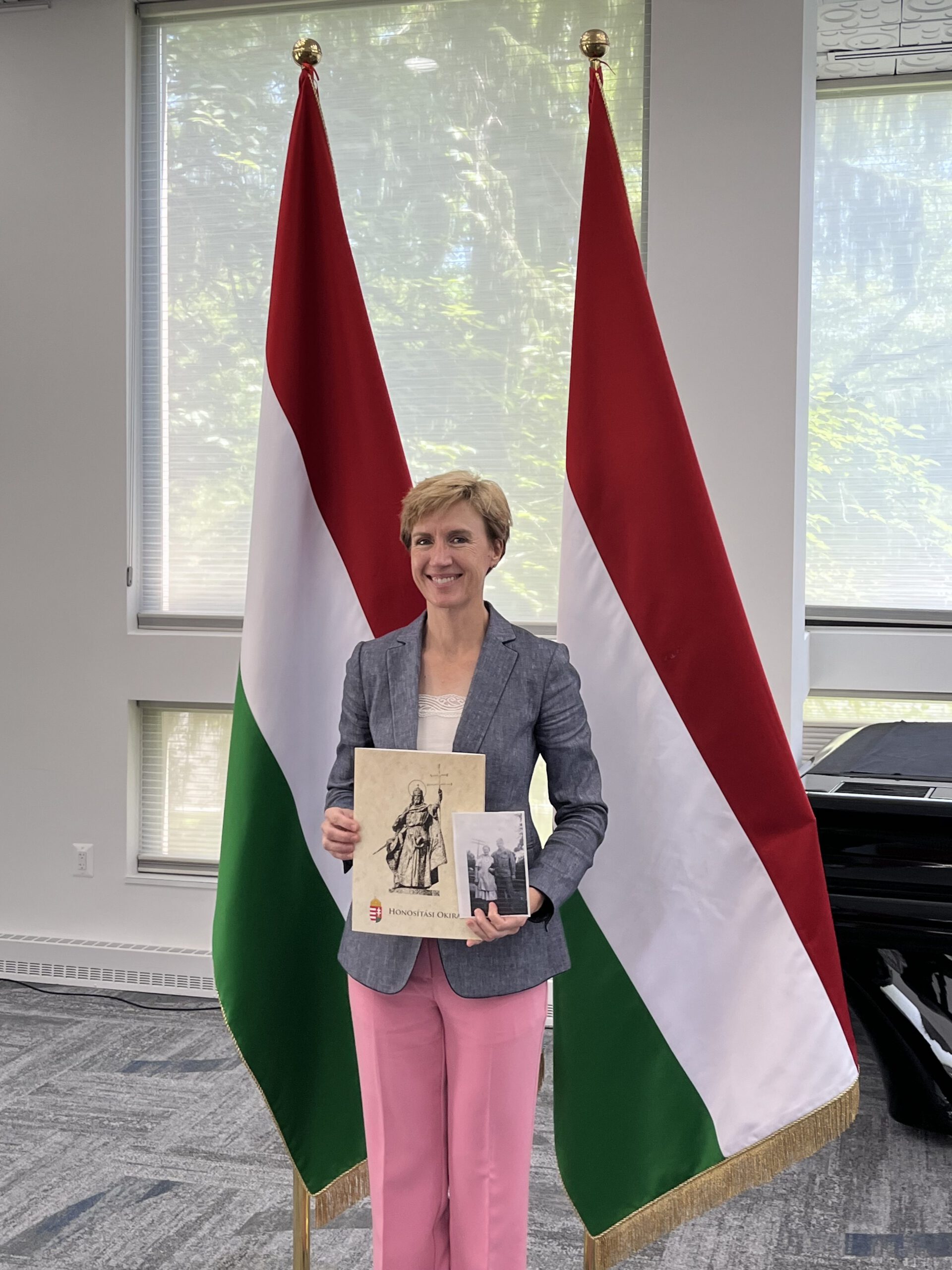
Meet the Founder
Rhonda Mária Copher, Ph.D.
As a professional genealogist, I founded Hungarian Ancestors because I’ve experienced both sides of this Hungarian genealogy journey. I went from being completely confused when I stared at my great-grandmother’s birth record in Hungarian and Latin to finally understanding the hidden stories. That personal breakthrough drives my Hungarian ancestry research today.
As a dual U.S.–Hungarian citizen specializing in Hungarian family history research, I combine professional genealogical expertise with personal experience in navigating the challenges of this region. My years spent researching Hungarian archives, studying the Magyar language, and decoding historical documents have taught me that the obstacles in Hungarian family research—such as changing borders, surname variations, and handwritten church records are not roadblocks. Instead, these obstacles present opportunities for exploration.
My mission is to help Hungarian-American and diaspora families move from confusion to connection with their roots. I focus on making Hungarian records and research methods understandable so families can read their birth, marriage, and immigration documents; preserve their ancestors’ stories with confidence; and pass that knowledge on to the next generation.
Read My Story